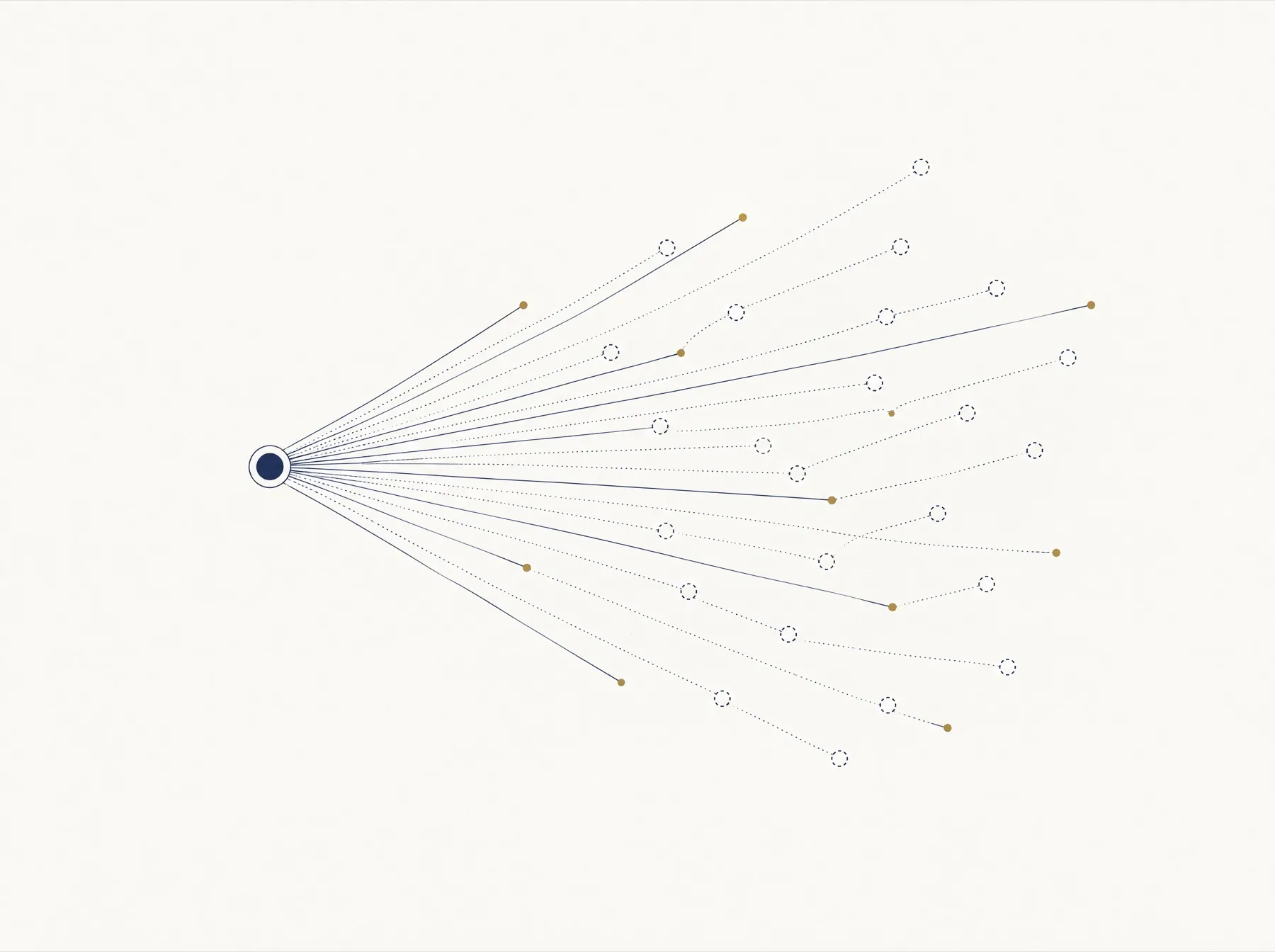
01 · observation
Each system on its own
First, a chart is built in each of the four traditions by its own rules, without bending it to fit the others.
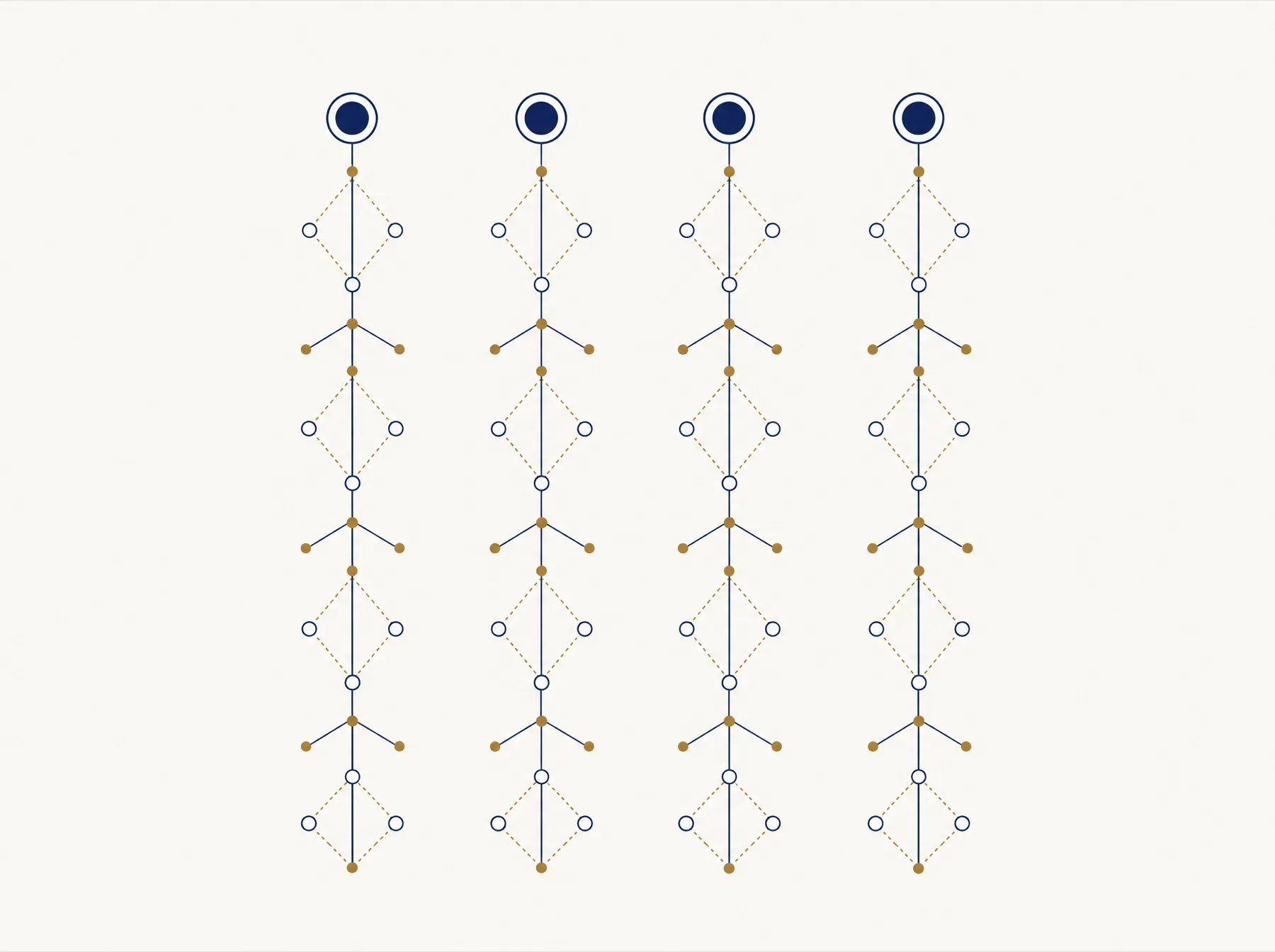
Four independent traditions. One method of comparison
Four independent systems look at the same person from different angles. We lay them side by side and look for what repeats. Where different systems arrive at the same conclusion, real understanding begins.
Jyotish (Vedic astrology), BaZi (the Chinese Four Pillars), the I Ching and the 22 Major Arcana were shaped in different cultures and different eras. We bring them together in one map and see where they confirm each other and where they part ways.
The Method
Each tradition has its own language, its own limits and its own angle. So we never stop at a single interpretation.

01 · observation
First, a chart is built in each of the four traditions by its own rules, without bending it to fit the others.

02 · comparison
We look at which theme repeats. If nothing else confirms it, it doesn't become a central conclusion.
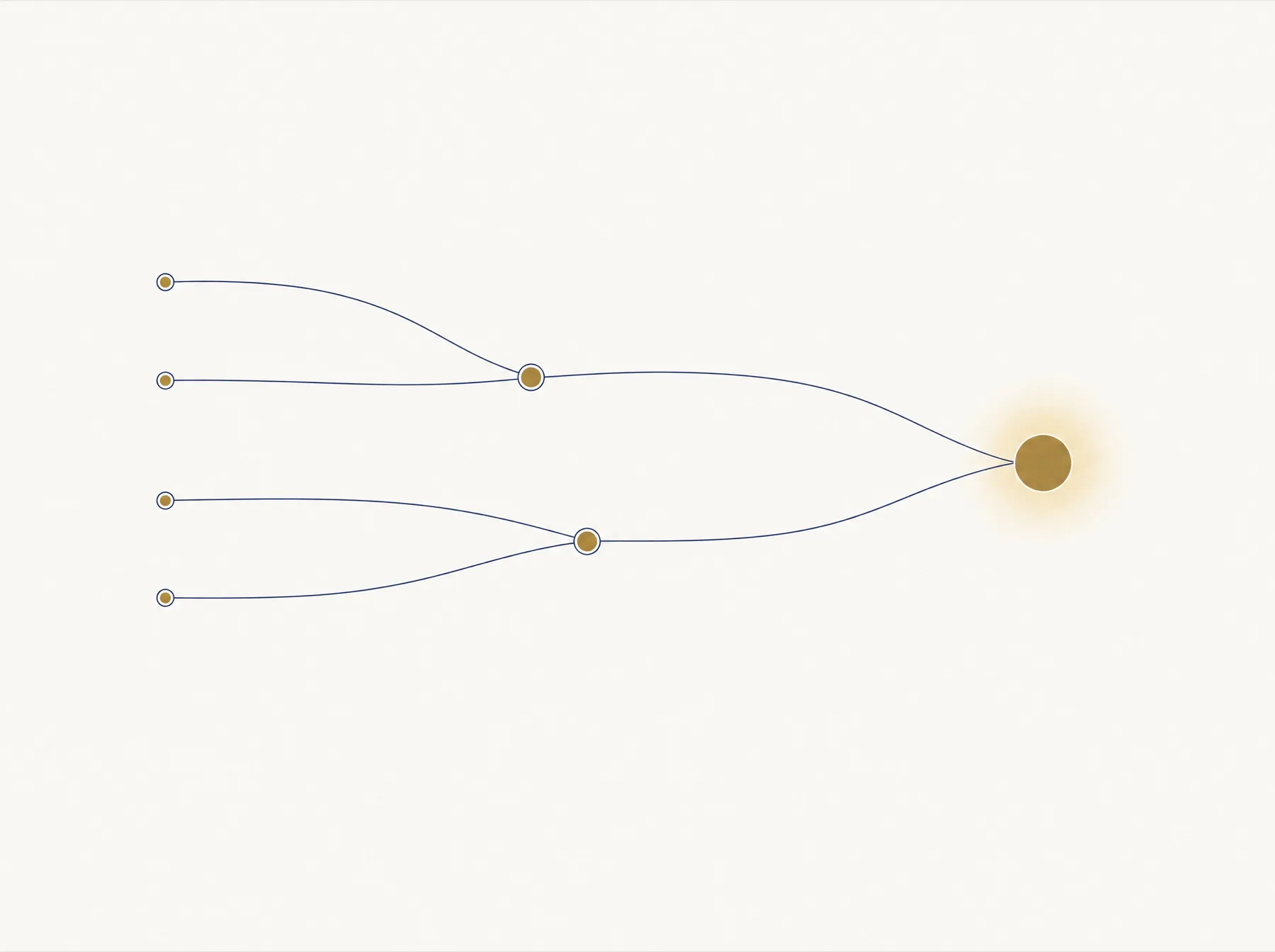
03 · convergence
Overlap. Correspondence. Comparability. Cross-checking. A practical conclusion you can test against your own life.
The logic of cross-checking
When several independent observations give a similar result, trust in the conclusion grows. The same logic applies here.
how we work it out
First, each system is looked at on its own. Then we pick out the themes that repeat and are confirmed from several sides.
what about divergence
A conclusion doesn't become central just because it shows up in one chart.
what goes into the analysis
More weight goes to conclusions that repeat across several layers and bear directly on your question.
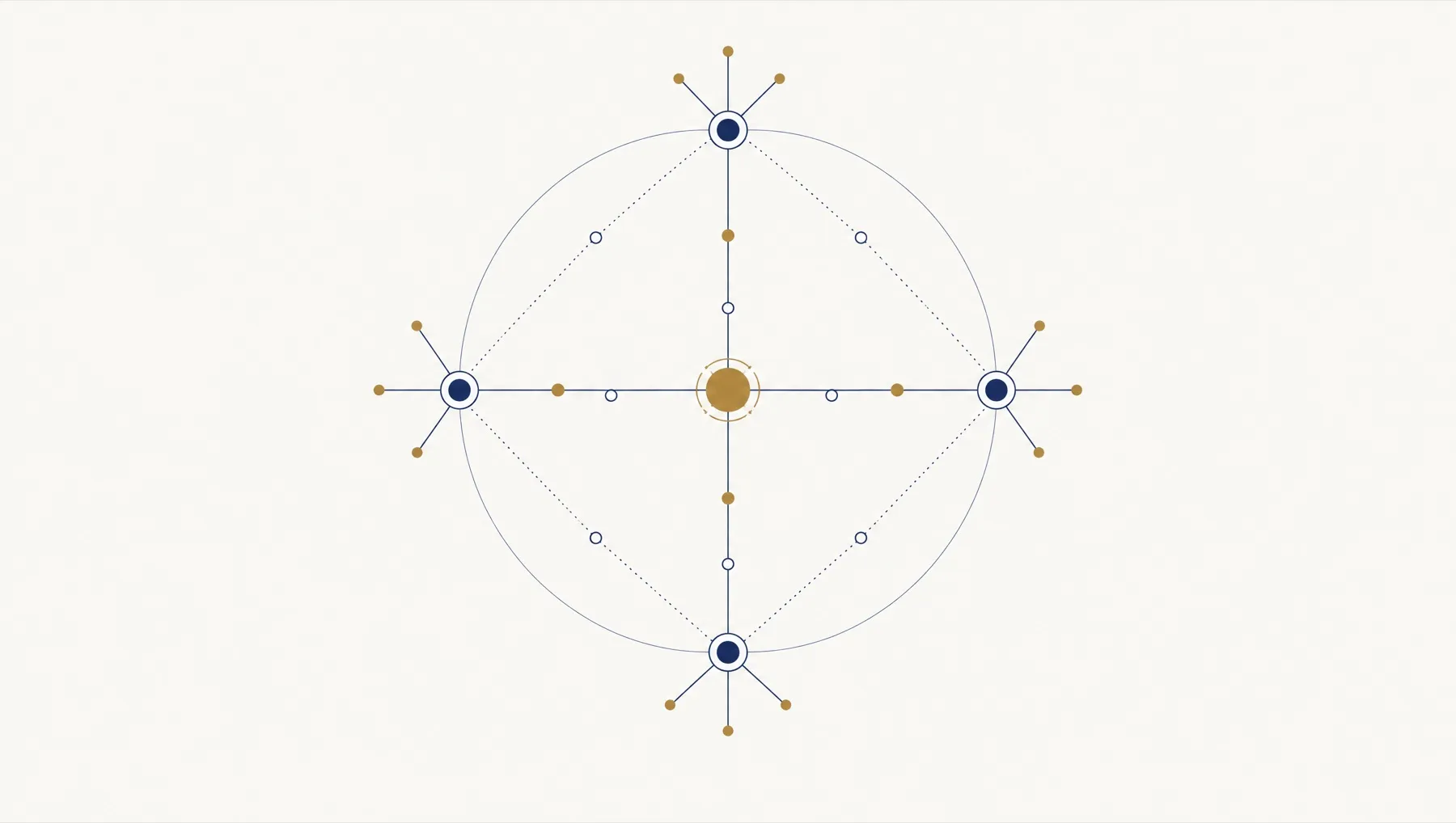
Four Mirrors
We don't declare any one mirror the only true one. We look at what shows up in several at once.
A centuries-old Indian tradition built on watching the planets, the houses and the periods of a life.
In the method, this is the mirror of time: periods, their order and their length.
The chart of Eight Characters is built from the year, month, day and hour of birth.
In the method, this is the mirror of resources: what a person is made of, what is in excess and what is missing.
The Chinese Book of Changes, one of the oldest texts in the world. Its 64 hexagrams describe kinds of movement and change.
In the method, this is the mirror of mechanics: how a person makes decisions and where their energy goes.
A system of archetypal images, based on the major cards of the Tarot.
In the method, this is the mirror of story: which theme keeps returning and which inner conflict a person is passing through.
Constellation
One system shows a single part. Four systems let you see a repeating pattern. This is not absolute truth and not a final verdict. It is a theme that has been confirmed several times, independently.
The strength of convergence
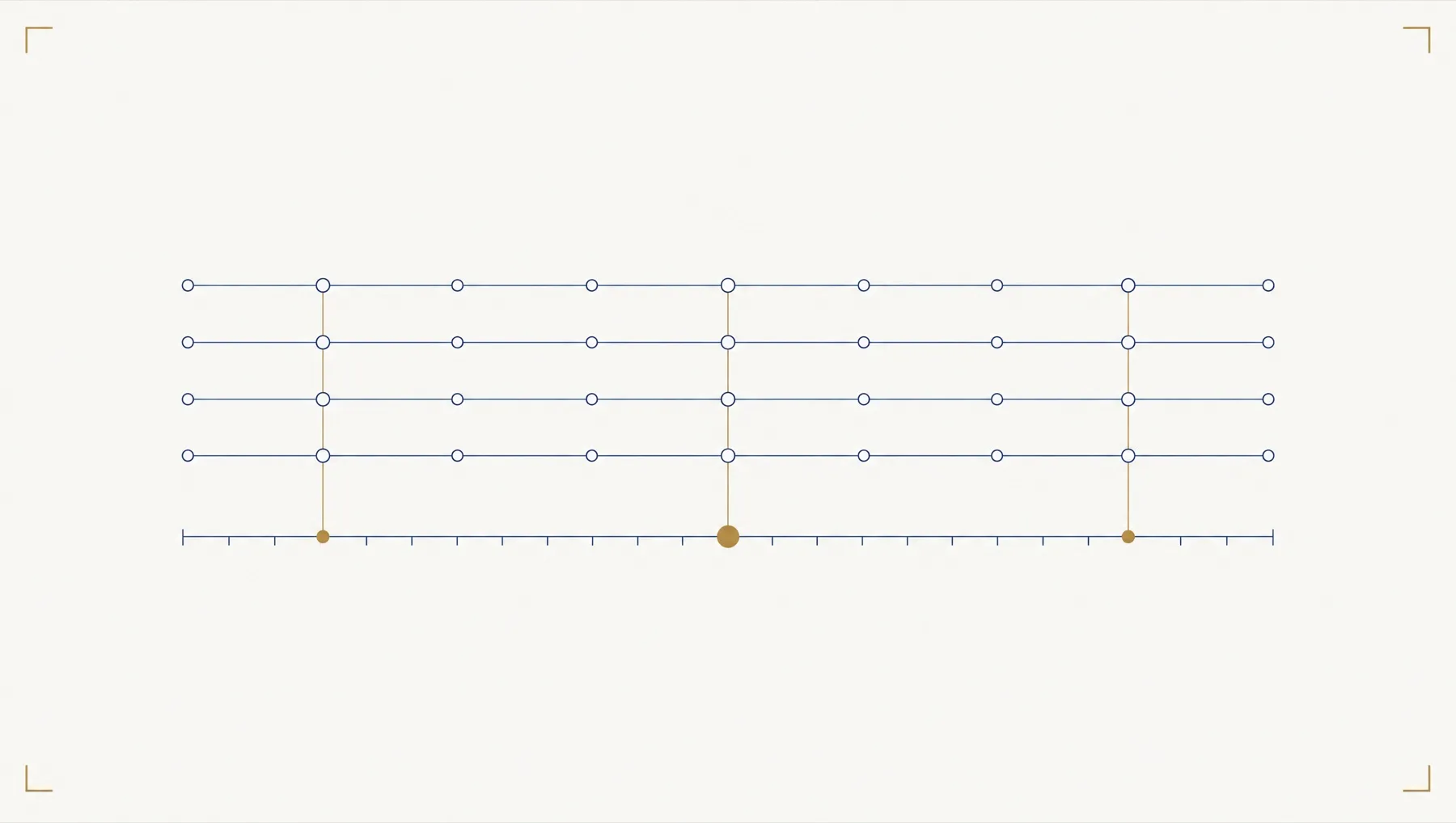
Each system turns at its own pace and speaks its own language. A conclusion becomes a main one only when several independent rings fall into one line.
Sample result
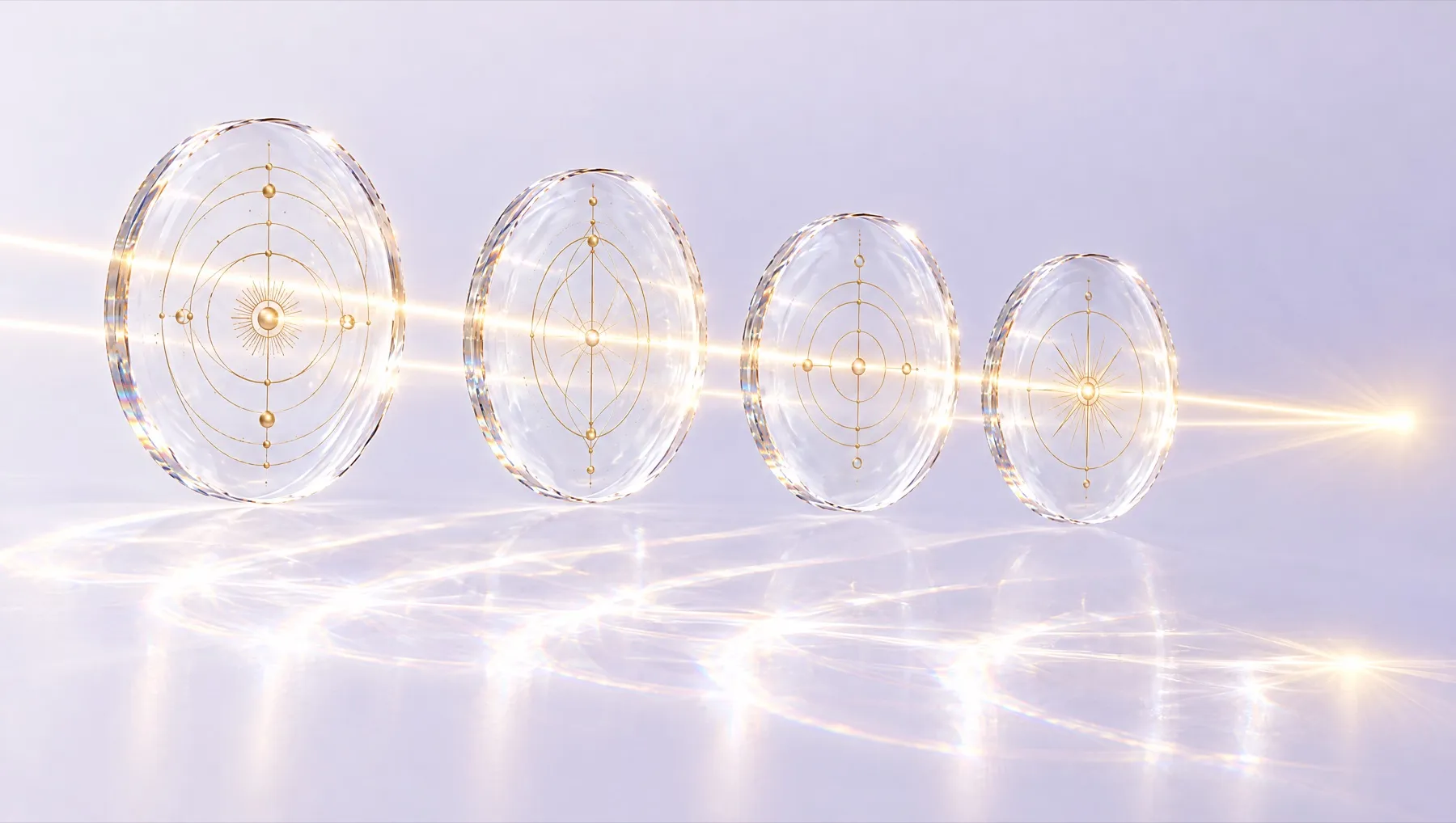
A hypothetical example with no personal data. Four systems describe one person in different words, and each statement gets its own status.
Four different languages, one theme. That is the Convergence Map.
A practical map of a person
The analysis doesn't live your life for you. It helps you see yourself more clearly.
View packagesWhat it all rests on
LAYER 01
For many years I watched myself, my family, my relationships, my business and the people around me. That's how I noticed that different traditions often say the same thing in different words.
LAYER 02
I don't say: here's one chart, just trust it. I suggest looking at what four charts say and finding what repeats.
LAYER 03
Our packages
24 formats, from a single question to ongoing support for a family or for your work.
AREA 01For anyone who wants to understand themselves
Your main task and natural direction, seen through 4 systems.
The most complete personal analysis of character and life cycles.
An analysis of a difficult or confusing period of life.
How you adapt to change and which surroundings suit you.
Which connections support you, and which take too much of your energy.
AREA 02For couples, parents and whole families
Not a compatibility score, but the living dynamic between two people.
Which qualities in a partner really suit you.
A clear guide to seeing your child's nature without a ready-made template.
Two maps side by side, and a translation from one way of talking to the other.
The overall picture of how every family member interacts.
Family cycles in sync, for the year or month by month.
Recurring family roles and patterns, with no mystical verdicts.
A couple's emotional and practical readiness for big changes.
AREA 03For entrepreneurs, managers and business partners
Which way of working brings out your best, and how you handle risk.
Your style in business, in leadership and in decisions under pressure.
Your financial temperament, with no investment promises.
How partners complement each other, and where a struggle for control may arise.
Natural roles, communication and how people fit together in teams.
How a leader's style affects the staff and the atmosphere.
AREA 04For anyone who wants to use the method over time
The main themes of the next 12 months, with no promise of exact events.
A longer map of life periods and shifts in emphasis.
Regular map updates and support with new questions.
The overlap, already worked out, for those who know 1 or 2 systems in depth.

Levels of work
You can start with one question or go straight to a full map. The difference is depth and how many people the analysis covers.
A first introduction to the method.
A full analysis of one area.
An in-depth map, often for several people.
Regular map updates and support with new questions.
Who the method is for
The author's story
I became interested in these systems when I was young. At first I studied each one separately. I wanted to understand myself, my decisions, my relationships and the periods of my life.
The most interesting part isn't inside any one system. The most interesting part is where they agree.
At 20, I called myself a magician. Not to seem special. I'd simply started early, studying symbols, traditions and how a person is put together, on my own. I tested a lot of it on my own life.
Over time I noticed that different systems often said the same thing. They used different words, but the essence repeated. That's how the Convergence Map method began to take shape.
I don't ask you to trust a single chart. I suggest looking at yourself through four mirrors.
How the analysis works
Name, date, exact time, city and your main question.
Each system is looked at on its own.
Recurring themes are gathered into one map.
Conclusions confirmed by several systems are drawn out.
Clear conclusions for your real situation.
A consultation or ongoing support.
If the exact time of birth is unknown, some systems will be limited. We explain this in advance.
For practitioners
A practitioner may know 1 or 2 systems in depth. The Convergence Map helps them see the overlap and cover blind spots. This isn't a ready-made meal. It's equipment for a professional kitchen. It helps a practitioner work deeper, but it doesn't replace their experience.
Trust and ethics
It is a tool for understanding. The decisions stay with the person.
FAQ
It's a method of comparing 4 systems. First, each system is looked at on its own. Then we pick out the themes that repeat and are confirmed from several sides.
Each system has its own language and angle. Comparing them helps you see a repeating pattern, not just one interpretation.
No. We don't tell fortunes and we do not promise events. We compare 4 traditions and show where their conclusions agree and where they differ. The method is not a scientific diagnosis.
No. You can treat them as different languages for observing a person, and test the conclusions against your own life.
Contradictions are not hidden. A conclusion doesn't become central just because it appears in one chart.
The ones that repeat across several layers and have a practical bearing on your question.
For Jyotish, BaZi and the I Ching, the exact time can change the chart considerably.
An analysis is still possible, but some systems will be limited. We point this out in advance.
No. The method shows themes, cycles and periods, but does not guarantee specific events.
Yes. We show the dynamic, attraction, friction, expectations and recurring conflicts, not a love score.
Yes, but with care. The main aim is to help a parent understand the child's way of communicating, motivation and natural talents.
The map should never become a label. It's used as a hypothesis for observation and support.
Yes. A family map shows interaction, roles, points of tension and support.
Yes. We can look at leadership style, risk, delegation, partnership and the team.
Yes, as an extra tool, but never as the sole basis for hiring or firing.
No. It can help you put your questions into words, but it does not replace professional help.
No. The method does not diagnose and does not prescribe treatment.
No. We can look at your attitude to risk, but we do not give specific investment advice.
It depends on the package and the number of people. The timing is confirmed before you order.
A written report, a visual map, a video, an online consultation, or a combination.
Yes, if they're included in the package or a consultation is added.
Yes. The Year Ahead and a cycles update are made for exactly this.
Yes. It gives you the overlap, already worked out, and helps you see themes beyond your main specialism.
This site has no forms and stores nothing about you. You send your date, time and place of birth yourself, by email, and we use them only for your analysis.
An in-depth personal analysis is best done with the person's knowledge, especially if the result will affect relationships, work or decisions.
Convergence Map
Four independent systems. Four reflections. One map of agreements.
The decisions stay yours. We help you see the picture more clearly.